Talk to a commercial appraiser in Oxford County after a busy quarter, and you will hear a story stitched together from factories on the 401, grain bins on the north side roads, and main street storefronts that have reinvented themselves two or three times in a decade. Oxford County, Ontario sits in the path of growth between the GTA and London, and the market keeps proving that logistics and light manufacturing do not need a Toronto address to find labour and transportation advantages. Appraisal work across Woodstock, Ingersoll, Tillsonburg, and the rural townships brings that pattern into focus, not in headlines but in leases, loading docks, and cap rates that reveal where demand is real and where it is tentative.
I have spent years in commercial property appraisal across this county and its neighbours. The data points vary from file to file, but the themes recur: industrial users paying premiums for power and trailer parking, neighborhood retailers still thriving next to grocery anchors, and older office space meeting demand only when it offers parking and easy access. Development land remains a tale of two markets. Well located parcels near services and highway interchanges still command strong numbers, while fringe sites without servicing plans can sit, no matter how glossy the brochure.
This article shares what the numbers say from the vantage point of commercial real estate appraisal in Oxford County. It is not a one size fits all template. The assets differ, and so do the opportunities. What ties them together is the practical lens of valuation and the way a sale, a lease, or a set of construction drawings translates into market evidence.
The appraisal lens that actually helps decisions
A typical commercial appraisal in Oxford County draws on three approaches. We lean on the income approach for leased assets, the direct comparison approach for owner occupied buildings and land, and the cost approach for special purpose assets where comparable sales are scarce. Highest and best use analysis anchors the process. For a 1970s shop on a 3 acre parcel near an interchange, the current use might not be the most valuable use once servicing upgrades and zoning permissions are considered. For a downtown brick building with apartments upstairs and a café below, the income approach often tells the clearest story, while the market comparison supports it.
Appraisal is only useful if it stands up to lender scrutiny. That means supportable market rents, realistic vacancy assumptions, and cap rates that tie back to transactions involving similar risk and lease structures. Lenders in this county range from national banks to credit unions and private funds. Each has a slightly different view on risk, but all want the same thing: a well reasoned opinion that reflects current market evidence, not wishful thinking.
Industrial, manufacturing, and logistics remain the heartbeat
Industrial demand continues to define Oxford County’s commercial landscape. The Toyota plant in Woodstock and the CAMI facility in Ingersoll have been catalysts for suppliers and logistics operators for years, and the Highway 401 corridor keeps pulling attention. Over the last three years, I have seen mid bay industrial units in the 10,000 to 30,000 square foot range lease faster than any other segment, particularly when the space offers 24 to 32 foot clear heights, multiple docks, and at least 2,000 amps of power. Trailer parking and outdoor storage have become decisive. A site that can park 20 to 40 trailers without a fight over zoning or site plan often leases at a premium.
Vacancy tells the story in shades, not absolutes. From 2021 into 2023, functional industrial space in Woodstock and Ingersoll was so tight that tenants compromised on layout and paid higher rents than their accountants expected to keep production lines running. Through 2024 and into early 2025, pressure has eased in a few older buildings that cannot deliver the clear heights, dock counts, or turning radii modern users need. That softening does not mean an industrial downturn. It means the market has split between buildings that solve a user’s logistics puzzle and buildings that need reinvestment to compete.
Spec development has appeared in measured doses. Experienced developers with balance sheets to absorb construction cost volatility have led the way. Preleasing remains the safest route to financing. Buildings that finish with even one anchored tenant achieve stronger capitalization rates on sale than fully speculative projects. The sale market for stabilized industrial varies by lease term and covenant, but the strongest single tenant assets with 8 to 12 year terms still clear at cap rates tighter than similar properties with short tails. As a commercial appraiser in Oxford County, I see capitalization rate spreads in the range of 75 to 150 basis points between long term, investment grade covenants and short term, local covenants, even when the bricks and mortar are near identical.
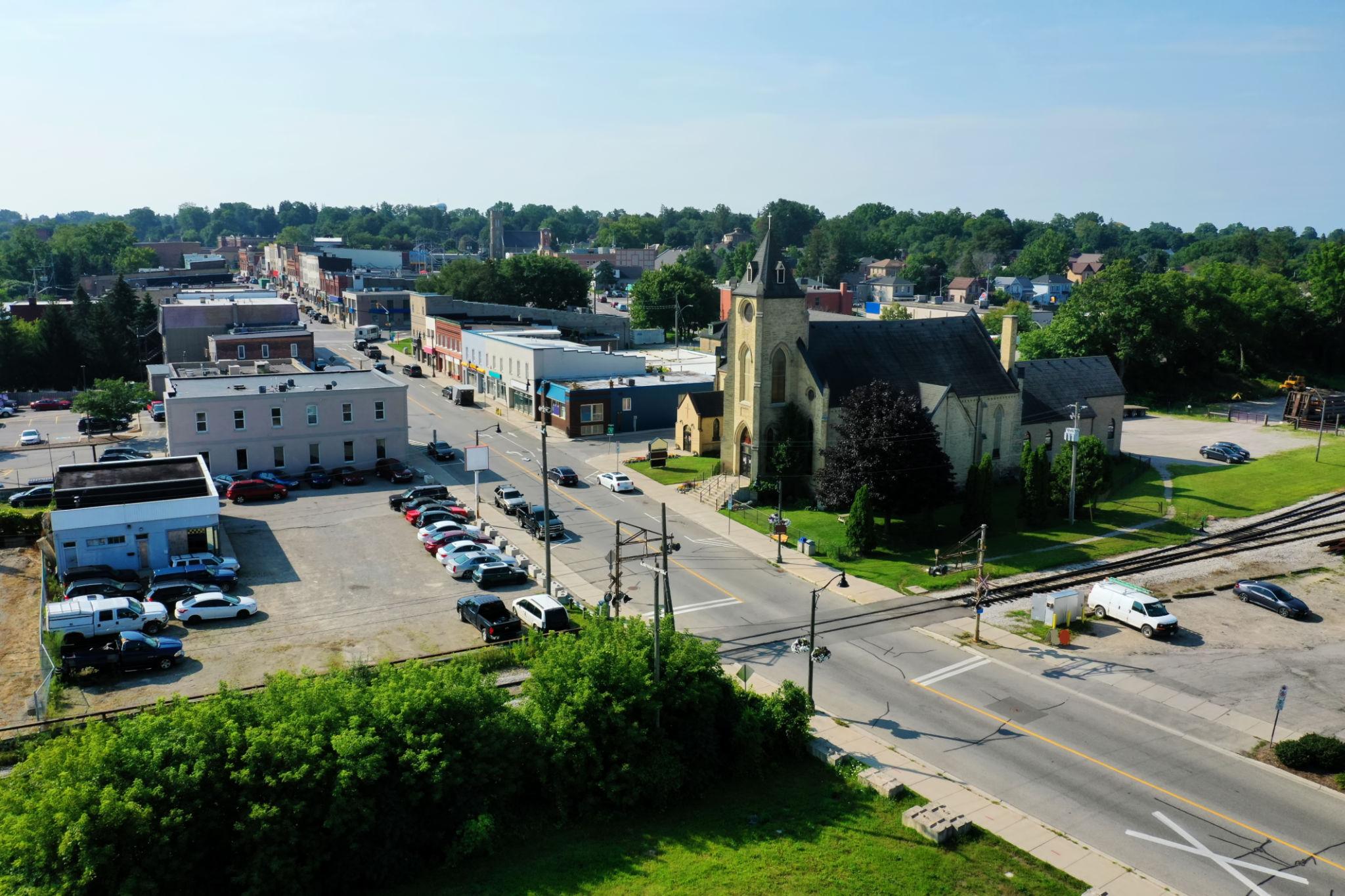
On the owner occupied side, demand from fabricators, food processors, and agricultural equipment dealers supports prices that surprise out of town observers. They ask how a 40 year old steel building on county roads can achieve those numbers. The answer is utility. A building with a 5 to 10 acre yard, decent shop cranes, and a location that saves 45 minutes of daily haul time for staff and trucks is worth more to that user than to a spreadsheet investor, and the sales reflect it.
Cold storage, food grade, and agri industrial deserve separate mention. Dairy, poultry, and produce supply chains have been steadier than general manufacturing through recent cycles. Facilities with insulated panels, heavy refrigeration, and floor drains cost far more to reproduce than most owners expect. In appraisal, that matters. The cost approach supports value when the market comparison set is thin, but the depreciation estimate requires judgement built on actual retrofit budgets and replacement projects, not a generic percentage. When done well, it captures the premium that real operators will pay for a facility that can pass HACCP audits and operate tomorrow, rather than after a 12 month retrofit.
Retail: resilient where it is convenient, weaker where it is charming but impractical
Retail has not died on Oxford County’s main streets, but the kind that thrives has changed. Grocery anchored plazas in Woodstock, Ingersoll, and Tillsonburg continue to command strong tenant interest. A 1,200 to 2,000 square foot unit with visibility and parking still draws dental, physiotherapy, optometry, and quick service food. Drive thru capacity is gold when the site can accommodate it. Lease rates on such pads often exceed the in line units, and ground lease structures come into play.
The cannabis wave that filled gaps in 2019 and 2020 washed back. Secondary locations that relied on that demand are working through vacancy, one lease at a time. Landlords who lean into flexible demising, basic tenant improvement allowances, and marketing to personal services are finding new tenants. Tenants looking for value have leverage on older centre owners who resist investment, but they line up for renovated spaces with good signage and updated facades. In appraisal assignments, I adjust rent comparables for age and finish more aggressively than before because the market is punishing out of date fit and finish.
Highway commercial clustered near interchanges and arterial nodes continues to perform. Auto service, equipment rental, and home improvement showrooms prefer these sites, and the land value reflects it. When a legacy building sits on an oversized parcel, highest and best use analysis often pushes toward intensification or a new pad with a drive thru lease. The keystone is access and stacking space. Municipal engineering comments on traffic and queueing can decide the feasibility of a pad that looks perfect on paper.
Office: modest supply, predictable demand
With a few exceptions, Oxford County’s office market is steady rather than exciting. Downtown upper floor office suites lease to accountants, law firms, and service businesses that want a professional address and walkable coffee. Ground floor medical, dental, and government tenancies have been the most durable. These users value parking and barrier free access more than exposed brick or frosted glass partitions. National office trends grabbed headlines, but in this county the practical questions still drive outcomes. Is there parking? Is it easy to find? Can the space be modified without expensive structural work?
Valuation in this segment lives and dies by real net rent and realistic operating cost recoveries. Several older buildings with net leases still hide expenses that owners absorb, such as HVAC replacements and roof repairs. Those cash costs affect net operating income and cap rate selection. In a commercial property appraisal in Oxford County, I push for three years of operating statements and any capital plans because that is the difference between a stable 6.5 percent cap rate and a deal that only makes sense at 7.25 percent.
Mixed use and small apartments within commercial corridors
Even when a file begins as a commercial appraisal, mixed use often enters the picture. Second and third floor apartments above ground floor commercial have benefited from tight rental housing across Southwestern Ontario. Rents achieved in 2024 and 2025 for renovated one bedroom units often sit well above levels from five years ago. That helps mortgage coverage ratios for lenders who consider blended income. It also pushes highest and best use analysis toward residential intensification on underutilized commercial land as long as zoning and servicing cooperate.
For investors, the mixed use underwriting is only as good as the separation between residential and commercial systems. Separate utilities and clear fire separations translate into better buyer confidence and tighter cap rates. Where a building still runs on one furnace in the basement and confusing subpanels, I adjust for both the risk and the inevitable renovation budget.
Land and development: location, servicing, and timing risk
Oxford County’s development land market splits along familiar lines. Parcels with frontage and easy access to the 401 interchanges near Woodstock and Ingersoll hold values that reflect immediate demand from industrial developers and retailers. If a site is already designated, zoned, and within reach of water and sewer capacity, it commands a premium. The premium is larger than many first time sellers expect. For greenfield land farther from services, values fall in a wide band. Buyers account for environmental work, stormwater needs, off site improvement obligations, and holding costs while they push a site through approvals.
I see developers running more rigorous pro formas than they did in 2021. Construction costs rose faster than rents for a stretch, and while costs have stabilized, they have not rolled back to pre pandemic levels. Development charges and site servicing costs play a larger role than ever. The projects that move forward have at least one of three things: a committed tenant, an irreplaceable site, or a highly experienced sponsor with patient capital. In appraisal, we test residual land value under different rent, cost, and yield scenarios. If the land value swings from positive to negative with a small change in rent assumptions, the risk is too high for most lenders. They insist on either preleasing or recourse from a strong borrower.
Agriculture and agri business threads through everything
Farmland prices across Oxford County accelerated through 2021 and 2022, then leveled through 2023 and 2024. Values depend on soil, tile drainage, parcel shape, and local competition as much as any county wide trend. Cash crop operations paid top dollar for blocks that round out their holdings and reduce road time. Livestock operations have a different math. Supply managed sectors value barn systems, manure handling, and yard layout heavily, with quota held separately from real property. In commercial appraisal work for agri industrial properties, we are careful to separate real estate value from business value. A feed mill or seed cleaning facility might carry equipment worth more than the building that houses it. The cost approach supports the structure and site improvements while the market for the business itself follows a different path.
Agri adjacent industrial uses, such as equipment sales and service on county roads, remain a fixture. Their sites often feature deep yards, extra wide access, and rural industrial zoning that is critical to ongoing use. When such properties trade, buyers pay for the practical features that keep the business efficient. That shows up when we compare sales. Two buildings of the same size can differ by hundreds of thousands of dollars if one has the right access, lighting, and yard layout for heavy equipment.
Capital markets, interest rates, and cap rates
From an appraiser’s desk, the most common question over the last two years has been whether cap rates have moved. They have, but not equally. The rapid rise in the Bank of Canada’s policy rate through 2022 and 2023 widened debt coverage gaps for leveraged buyers. Cap rates ticked up in segments where buyers rely on debt and leases are short. Where leases are long, tenants strong, and borrowing is limited, metrics held firmer. Across the county, I have observed the following broad patterns, with the usual caveats for property condition and covenant:
- Stabilized, long term leased industrial to national or global tenants trades at the tight end of the range, often 5 to mid 6 percent, with premium assets dipping lower at peak competition. Small bay industrial with shorter terms and local covenants often sits in the mid 6 to mid 7 percent range, widening when functional obsolescence appears. Grocery anchored retail and essential services retail remain in the 5.5 to mid 6 percent band for stronger covenants, with older centres and weaker tenant rosters trending higher. Secondary retail and older mixed use properties often need 7 to 8 percent or more to clear, unless the residential upside carries the underwriting. Office varies widely, with medical or government tenancy commanding tighter yields than general office.
Financing disciplines these yields. Local lenders know their borrowers and will back a sound plan. National lenders want depth of market, longer terms, and clearer exit strategies. Borrowers who blend CMHC insured debt for residential components with conventional debt on the commercial elevations can optimize cost of capital on mixed use projects, but that structure adds complexity and must be modeled carefully.
Construction costs and feasibility pressures
Replacement cost new is a critical input in many appraisals, even when the cost approach is not the driver of value. Over the last five years, hard construction costs for industrial shells in Southwestern Ontario climbed significantly, then leveled. Soft costs, including design, approvals, and finance, also escalated. The projects that went ahead did so with preleasing, pre sales, or equity buffers. When we model a developer’s required return, the rent needed to justify new construction can exceed what tenants will pay for older but functional space. That gap explains why some tenants bid up rents in second generation https://andrendqj770.trexgame.net/construction-financing-and-draw-inspections-commercial-appraiser-oxford-county space rather than precommit to new builds. Appraisal reports that ignore this feasibility dynamic miss the reason older buildings sometimes trade above naive replacement cost logic.
On retail and office fit outs, tenant improvement allowances have become a decisive negotiation point. Landlords who invested early won faster lease up and better tenant mixes. Those who insisted on as is deals in competitive submarkets carried vacancy longer. In valuation, I consider free rent periods and TI allowances as cash flow impacts that adjust effective net rent, not as line items to bury in footnotes. Lenders do the same. It changes debt coverage ratios on year one through three and, in tight cases, their willingness to proceed.
What a thorough appraisal asks for, and why it matters
If you plan to order commercial appraisal services in Oxford County, the fastest way to a clear, credible value is to equip the appraiser with real data. The right package eliminates guesswork and reduces lender questions later.
- Current rent roll with lease start and expiry dates, options, and rent steps, plus any side agreements. Three years of operating statements, with details on non recoverable expenses and recent capital work. Site plan, floor plans, and a summary of building systems, including any special features like cranes, refrigeration, or extra power. Recent capital improvements with dates and costs, including roof, HVAC, and paving. Any municipal correspondence on zoning, minor variances, site plan approvals, or servicing capacity.
These items help the appraiser place the property in its true competitive set. A building with a 2022 roof and modern LED lighting will not be compared to a 1980s box with deferred maintenance if the data shows the difference.
Edge cases that test judgment
Appraisal is not formulaic, and some property types in Oxford County require experience to avoid traps.
Auto related sites present environmental risk. Lenders ask about historical USTs, hydraulic lifts, and environmental reports. Sales of similar sites adjust heavily for perceived risk. A clean Phase I with recent updates is worth more than the paper it is printed on.
Fuel stations sit at the intersection of real estate and business value. The real estate component includes land, building, canopies, and site works. The business value might exceed the real estate in a strong location, but lenders often finance only the real estate. Appraisals must apportion value accordingly.
Religious buildings and community halls are special use. Adaptive reuse is possible but costly. Ceiling heights, floor loads, and layouts often resist easy conversion to apartments or offices. We consider realistic conversion budgets and market evidence for successful projects nearby. Without that, the property’s value as continued use, even to a small congregation or club, can exceed conversion value.
Quarries and aggregate pits exist in the county and require specialized analysis tied to licenses, reserves, and extraction rates. Those files seldom rely on general commercial comparables. The value is in the reserves and permits, with the land as a platform. Cost and income models built on production schedules dominate.
The next 12 to 24 months: scenarios to watch
Interest rates guide much of the near term outlook. If the Bank of Canada eases policy rate further into 2025, debt coverage ratios improve and cap rates can stabilize or compress modestly in segments with strong tenant demand. Industrial rent growth has already cooled from the double digit pace seen in 2022. Expect mid single digit growth in well located buildings that offer needed features, and flat rents in older stock that needs reinvestment.
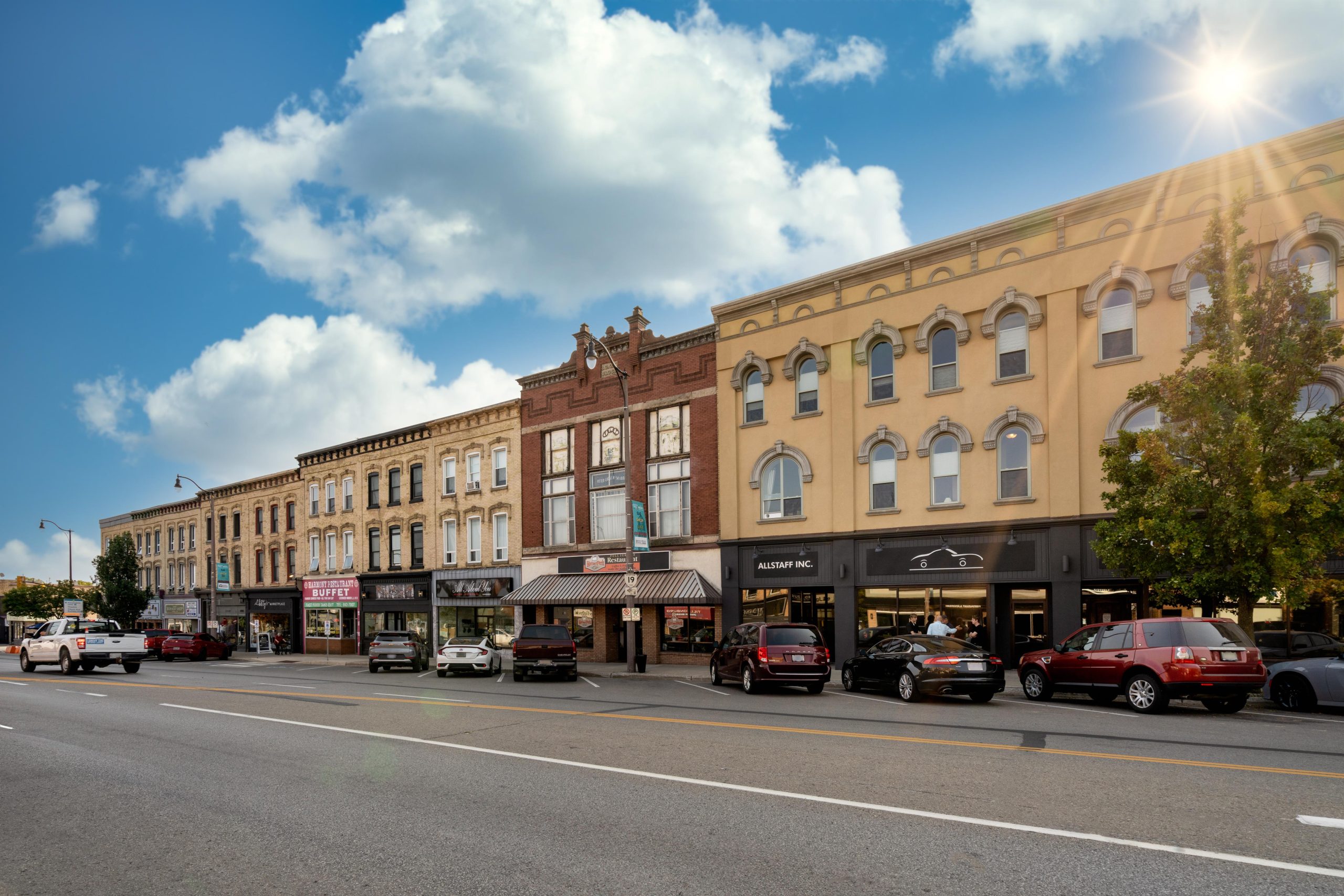
Retail should continue its two track pattern. Essential services and grocery adjacency win. Secondary locations will fill, but only for landlords ready to invest and price space appropriately. Medical and personal services remain steady tenants when parking and access are easy.
Office will likely stay a story of specific users. Medical, dental, and government hold. General office needs incentives and practical space. Obsolescence is not fatal when owners spend on HVAC, accessibility, and lighting.
Land will continue to reward patience and planning. Sites near interchanges and services are scarce and will not get cheaper as long as industrial and retailer demand persists. Fringe sites need a clear path to servicing and approvals before values climb. Build to suit and early tenant engagement can be the difference between a go and a no go in pro formas.
Agriculture remains a steady base. Farmland values show less drama now, but the long term trend still reflects strong operators consolidating holdings and the productivity of Oxford County soils. Agri industrial demand ties back to that stability.
Practical guidance for owners, lenders, and buyers
If you own commercial property in Oxford County and plan to refinance or sell, engage a commercial appraiser early. Share details that might not be obvious: utility upgrades, property tax appeals, or tenant improvements that change how a space competes. If you are a lender, ask for the rent roll, operating costs, and capital plans up front. It shortens the underwriting cycle. If you are buying, test your assumptions on rent and downtime against actual signed deals in Woodstock, Ingersoll, and Tillsonburg, not just regional averages.
Developers should be frank about cost contingencies. Subcontractor availability, service connection fees, and stormwater requirements push timelines and budgets. Preleasing a portion of industrial or retail projects still unlocks better debt terms than going fully speculative. For mixed use, model residential and commercial streams separately, then put them back together. That avoids the typical mistakes in blended cap rate logic.
For anyone seeking commercial appraisal services in Oxford County, ask about the appraiser’s local data. Rent comparables within the county carry more weight than those pulled from Kitchener or London when the product type is sensitive to travel times, labour draw, and local by laws. A commercial real estate appraisal in Oxford County benefits from knowing which side of a county road oddities begin to appear in traffic counts, or which industrial parks tend to lease up quickly regardless of cycles. That knowledge does not replace data, it strengthens it.
Final thought rooted in practice
Markets can be noisy. Trends feel clear on a Monday and messy by Friday. Appraisal work grounds the conversation in what people have agreed to pay and what they are likely to pay next, given the risks and alternatives. In Oxford County, the through line is utility. Buildings and sites that help businesses move goods, serve customers, and house staff with minimal friction are worth more than those that do not. That is not a slogan. It is what the leases and sales say week after week.
Whether you are weighing a refinance, a purchase, or a development decision, treating valuation as a tool rather than a hurdle pays off. The right commercial appraisal in Oxford County will not only satisfy a lender, it will help you see where your property sits in the county’s evolving map of demand and how to move it a square or two closer to the bullseye.